
Straumann
BLX and TLX are among the current system families that can support different surgical and restorative workflows.
Services
Dental implants can provide a fixed foundation for replacing one missing tooth, several teeth or a larger restoration. Every plan begins with a detailed assessment; not everyone is immediately suitable and preparatory care may be advised.
Consultation and suitability
We review your teeth, gum health, bite, medical history and relevant lifestyle factors. Digital records and CBCT imaging may be used to assess bone volume and quality, nearby anatomy and the restorative space before an implant position is proposed.
No treatment is recommended until benefits, limitations, alternatives and likely maintenance have been discussed in relation to your own oral health.
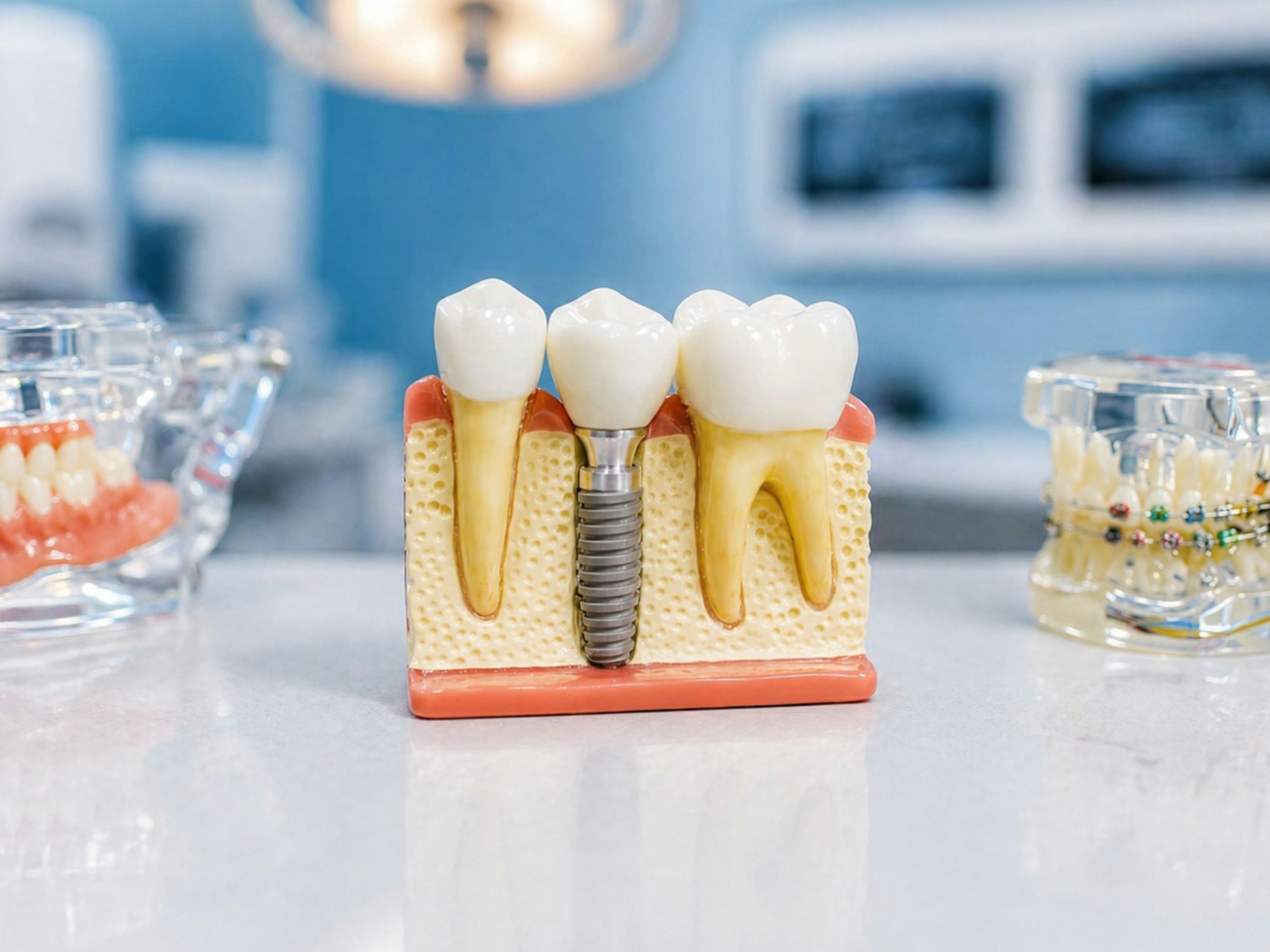
How implant treatment works
A dental implant is placed in the jaw to support a carefully designed crown, bridge or, in selected cases, a full-arch restoration. The visible tooth is only one part of the plan: implant position, gum health, available bone and the way the restoration meets your bite all matter.
Assessment may include photographs, digital scans and CBCT imaging to understand bone volume and quality and the position of nearby structures. If gum disease, smoking or a relevant health condition affects healing, we discuss this openly. Bone grafting or another preparatory stage may be advised; in other circumstances, a conventional bridge or removable option may be more appropriate.
Precision and restorative planning
We do not believe one implant system is right for every patient. Selection is informed by bone volume and quality, implant position, restorative requirements and the proposed treatment protocol.
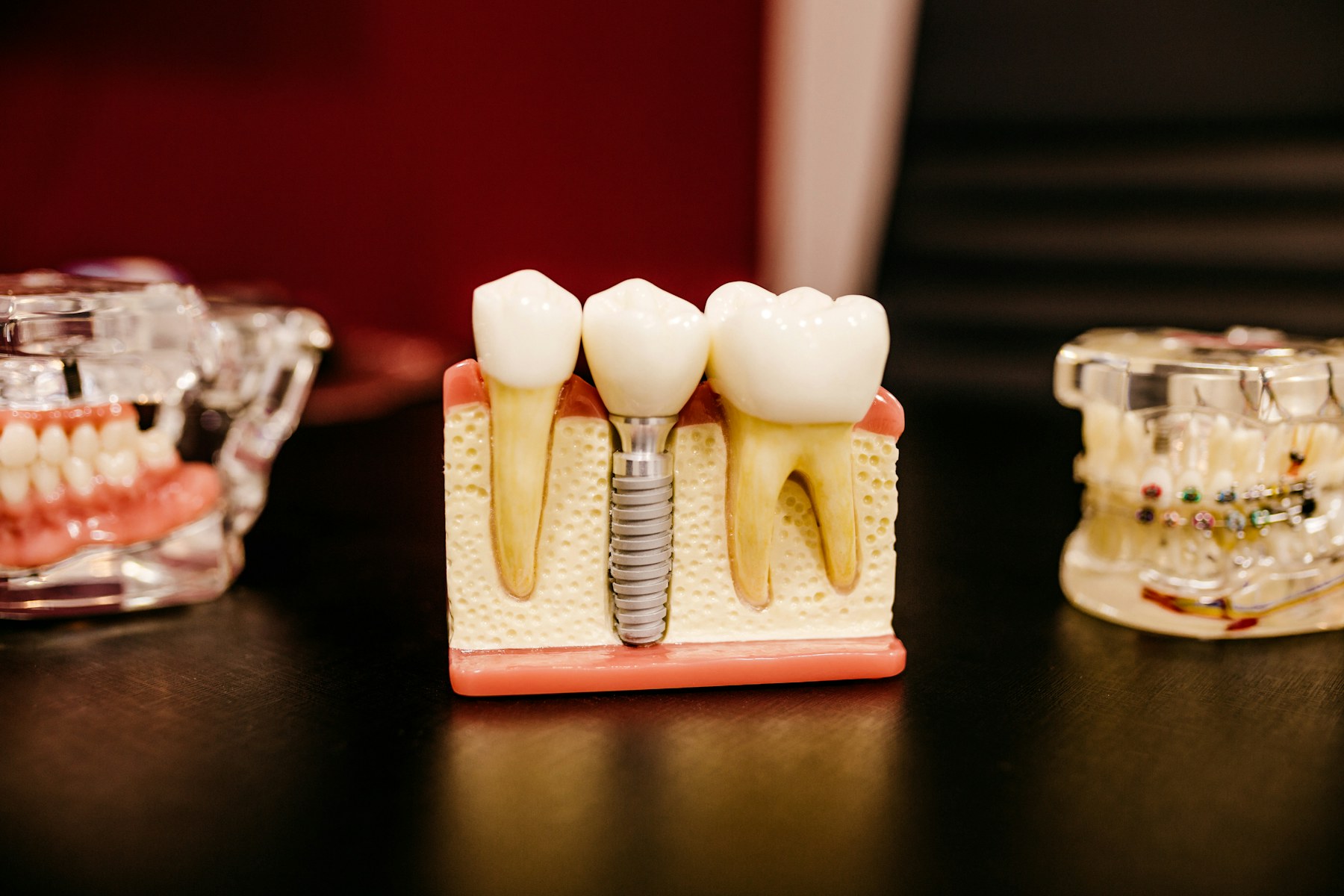
BLX and TLX are among the current system families that can support different surgical and restorative workflows.
N1 and NobelActive offer distinct implant designs and restorative components for considered case selection.
Dentsply Sirona’s EV family provides a range of implant forms and restorative options within a shared connection.
Access to more than one established system allows the clinical team to match the implant and restorative pathway to the anatomy, treatment sequence and intended final tooth — without presenting any one brand as universally preferable.
Patient journey
The exact number and length of appointments varies with clinical need. Your written plan sets out the recommended sequence before you decide.
Consultation, examination and diagnostic imaging where appropriate
Restorative-led planning, alternatives and a written fee estimate
Implant placement where suitable, followed by a planned healing period
Final crown, bridge or restoration, with a tailored maintenance programme
Digital implant planning
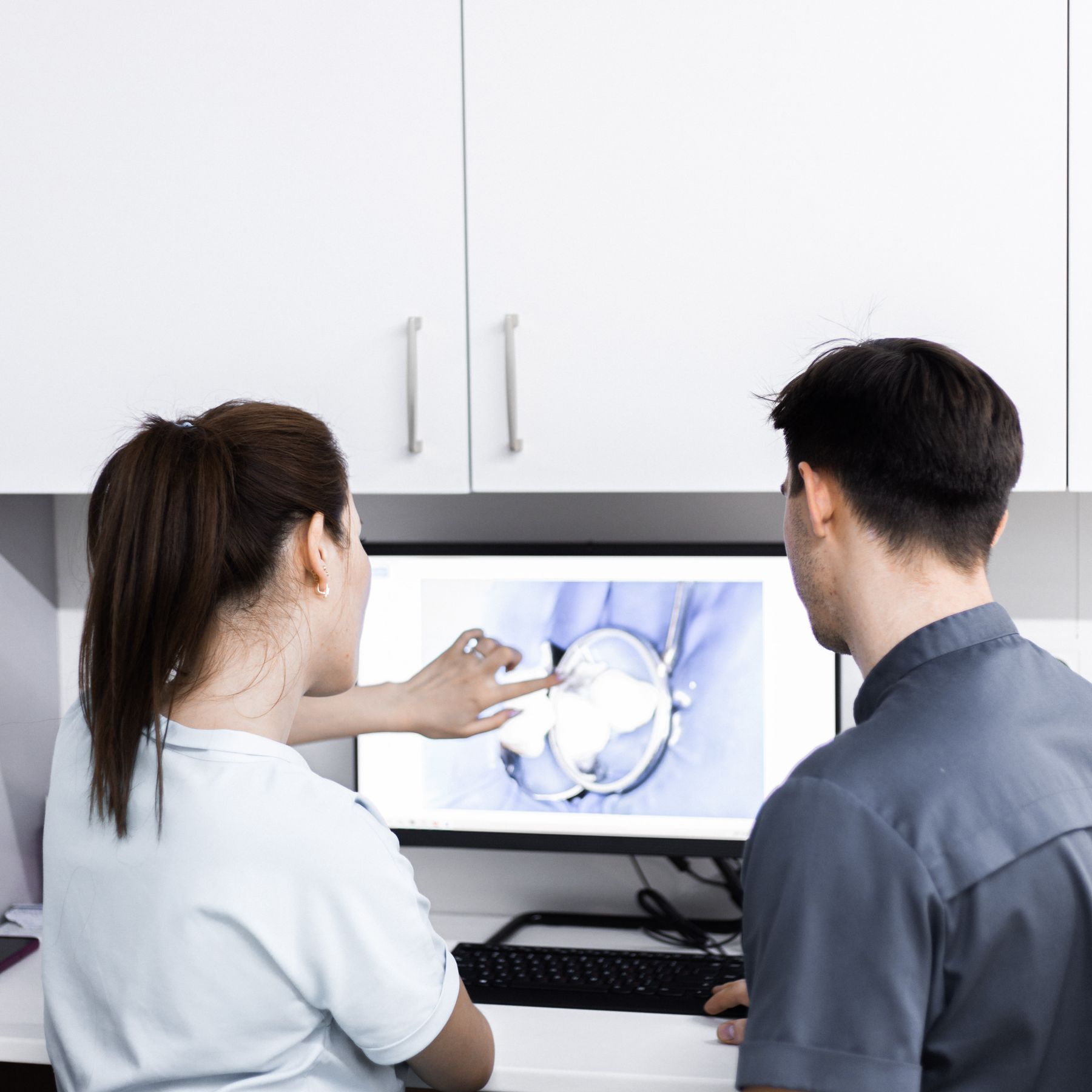
Digital records help the team relate the proposed tooth to the available bone and surrounding anatomy before surgery. The information may be used to plan implant position, discuss the sequence of care and decide whether guided placement is appropriate.
After placement, the implant is given time to integrate where required. The final restoration is then made and adjusted with function, cleaning access and long-term maintenance in mind.
Planning the investment
These from-prices are a guide. Your final fee follows clinical assessment, diagnostic review and an agreed treatment design.
Bone grafting, extractions, sedation or other additional procedures may alter the estimate. You receive a written treatment plan and itemised fee before proceeding.
Request an implant consultationAftercare and considerations
Implants require consistent daily cleaning, healthy gums and regular professional review. Smoking and some health conditions can affect healing and long-term stability; individual risks and practical maintenance are discussed before treatment.
Suitability depends on your dental and gum health, medical history, bone support and the restoration being planned. Your dentist will explain the findings, individual risks and reasonable alternatives after assessment.
The sequence varies. Some patients use a temporary tooth or existing denture while the implant integrates; other situations follow a different protocol. This is planned before treatment begins.
Not everyone does. If the available bone cannot support the proposed implant position, grafting or an alternative design may be discussed. Any additional procedure and fee will be explained separately.
No lifespan can be guaranteed. Daily cleaning, healthy gums, professional maintenance, bite forces, smoking and general health all influence long-term outcomes.
Your next step
Share your concerns and our patient care team will help arrange an appropriate first visit.

